Giuseppe Zanoni-Full Professor
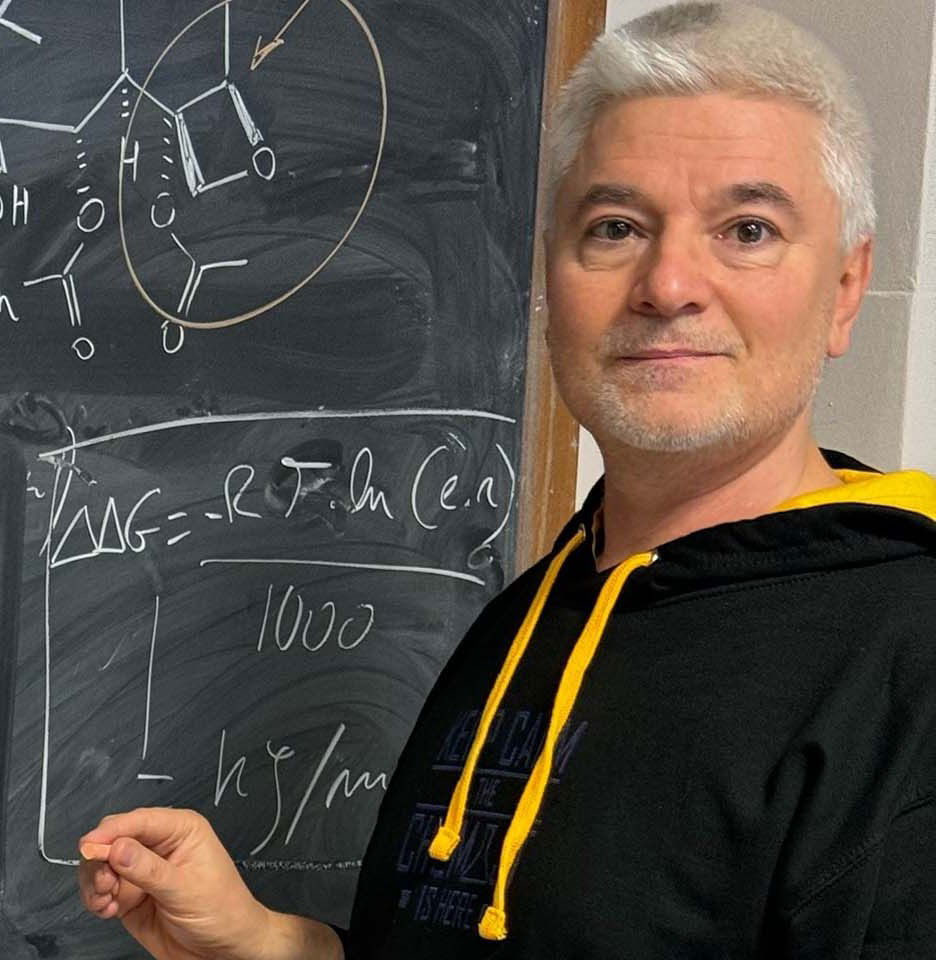
Giuseppe Zanoni is Full Professor of Organic Chemistry at the University of Pavia. His research focuses on the development of innovative synthetic methodologies and the total synthesis of natural and pharmacologically active molecules. His work spans organometallic catalysis, asymmetric synthesis, C–H activation, and the design of new molecular probes for precision medicine, including BNCT and PET imaging.Prof. Zanoni has authored over 140 peer-reviewed publications and is co-inventor on 12 patents. He has coordinated major national and regional research initiatives, including the PNRR-funded National Consortium for Innovation and Development of Radiopharmaceuticals (NCIR). His international collaborations involve leading academic and industrial partners across Europe, North America, and Asia.Recipient of the Bracco Prize of the Italian Chemical Society, he also serves as Associate Editor of Frontiers in Natural Product Synthesis and is actively engaged in technology transfer and industrial consulting.
Selected Grants and Funding
Prof. Zanoni has secured over €24 million in competitive research funding, with approximately €9.7 million directly supporting the University of Pavia. Notable projects include:
- Biocatalytic reactions for added-value applications in therapeuticsand diagnostics - BRAVE – Collabora & Innova grant, Lombardy Region (2025-2028), €7.9M total budget; University of Pavia share: €793k.
- National Consortium for Innovation and Development of Radiopharmaceuticals (NCIR) – PNRR Missione 4 (2022–2025), €15.9M total budget; University of Pavia share: €5.2M.
- Upcycling of NdFeB Magnets in the EU for Green applications - NEO-CYCLE – European Union Project (2024–2028), €11.5M total, €1.3M Pavia unit.
- RAEE Circular Economy Project – Ministry of Ecological Transition (2022–2024), €300K total.
- Fashiontech: Sustainable Innovation in Fragrance Chemistry – Lombardy Region (2020–2022), €570K total.
- VIPCAT: Value Added Innovative Protocols for Catalytic Transformations – Lombardy Region (2016–2019), €3.1M total.
His leadership in securing large-scale, multidisciplinary grants reflects a strong commitment to bridging fundamental chemistry with applied innovation and industrial collaboration.